
Game Arts Company: Top 5 Global Studios in 2026
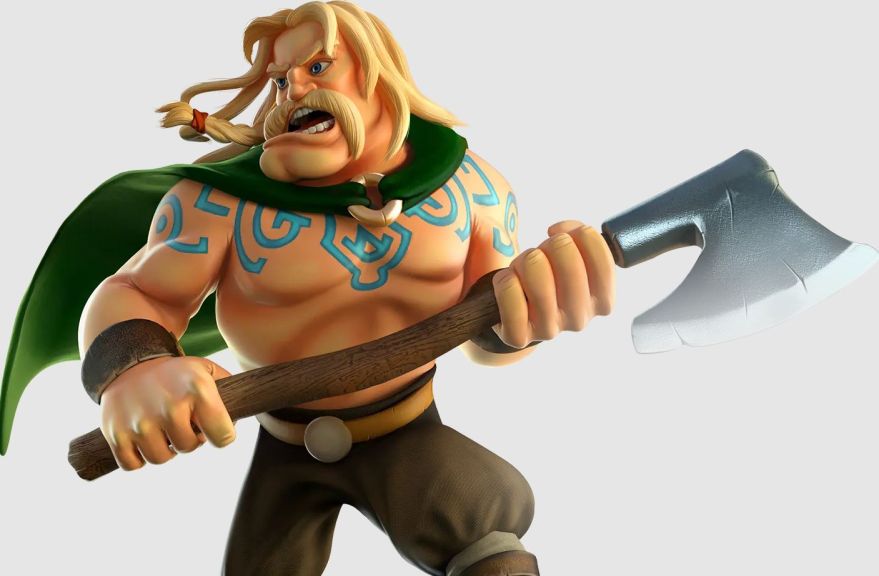
Choosing the right game arts company in 2026 is no longer a simple vendor decision. Studios are not outsourcing art just to reduce workload. They are partnering with external teams to meet higher visual standards, sustain live-service pipelines, and scale content production without destabilising internal workflows. The expectation is not just beautiful assets. It is production-ready integration.
The global growth of art outsourcing reflects this shift. As game production becomes more content-heavy and visually demanding, the gap between studios that can deliver engine-ready assets consistently and those that rely only on polished portfolios continues to widen. Visual quality alone no longer guarantees production success.
In this guide, we compare leading game art companies based on pipeline maturity, scalability, integration depth, and delivery consistency so that you can shortlist the right production partner with clarity.
TL;DR
A game arts company in 2026 must deliver more than high-quality visuals. It must integrate directly into your engine pipeline, scale alongside live production needs, and maintain asset consistency across milestones. The best partners operate as production extensions, not isolated vendors.
Key Takeaways
- A modern game arts company is defined by pipeline discipline, not just portfolio quality.
- Engine-ready delivery for Unity and Unreal is now a baseline expectation.
- Scalability and consistent throughput matter more than stylistic variety alone.
- Dedicated art teams reduce revision cycles and improve long-term visual continuity.
- Integration with version control, documentation, and structured feedback loops separates reliable partners from surface-level vendors.
- The biggest selection mistake is prioritising sample visuals over production workflows.
- Juego Studios stands out as a game arts company offering scalable 2D and 3D art pipelines with Unreal and Unity integration, plus optional co-development support for growing production complexity.
What Defines a Game Arts Company in 2026
A game arts company in 2026 operates as a structured production partner rather than a task-based vendor. Studios now expect external art teams to align with engine workflows, asset optimisation standards, and milestone-driven delivery cycles.
Production-ready capability includes consistent 2D and 3D asset pipelines, technical art integration, shader and optimisation awareness, and version-controlled delivery systems. The strongest game art company options embed themselves into client pipelines, using shared tools, documented review loops, and clearly defined asset ownership structures.
In practice, this means art is created with engine constraints in mind from day one. Character topology, environment optimisation, texture budgets, and animation integration are planned alongside gameplay systems rather than retrofitted later. The defining trait of a top-tier partner is not style range. It is a predictable throughput without visual drift.
How We Evaluated These Game Art Company Options
To compare each game art company fairly, we applied production-focused criteria rather than portfolio-first judgment. The goal was to measure operational maturity under real development conditions.
- Art Quality and Consistency: We evaluated asset fidelity, stylistic control across multiple projects, and consistency in execution beyond isolated showcase samples.
- Pipeline Maturity and Tooling: We assessed version control usage, structured review cycles, documentation practices, and readiness for Unity and Unreal integration.
- Scalability and Throughput: We examined how well teams manage ramp-ups, parallel production tracks, and sustained output without quality decline.
- Collaboration and Integration Depth: We prioritised companies that operate as long-term collaborators, integrating directly into internal pipelines rather than functioning as isolated asset vendors.
With the evaluation benchmarks clarified, the next step is to review the top five game art companies in 2026 based on these production-driven standards.
Top 5 Game Arts Company Options in 2026
The following studios represent production-ready game art companies operating at a global scale. Each profile focuses on how the studio operates within real pipelines, not just on what appears in curated portfolios. The emphasis is on scalability, integration, and delivery discipline.
Juego Studios
Juego Studios operates as a full-spectrum game arts company combining scalable 2D and 3D art production with optional co-development support. Its teams integrate directly into Unity and Unreal pipelines, handling characters, environments, animation, UI, and technical art within structured milestone systems.
|
Category |
Details |
|
Founded |
2013 |
|
Locations |
India, USA, UK, KSA (Global presence) |
|
Core Services |
2D/3D Game Art, AAA Concept Art, Animation, Dedicated Art Teams, Unreal & Unity Pipelines, Co-development, VR/AR Art |
|
Notable Clients |
Walt Disney, Sony, 20th Century Fox, Time Warner, Scopely |
Key Strengths
- Scalable art teams with production discipline
- Engine-integrated pipelines for Unreal and Unity
- Dedicated art squads and outstaffing flexibility
- Ability to expand into co-development when needed
Practical Consideration
- A broad service scope requires clear upfront scoping when engaging purely for art delivery.
RocketBrush Studio
RocketBrush Studio is a Cyprus-based game art company specialising in concept art, 2D character visuals, 3D environments, and structured asset production pipelines. The studio emphasises engine-ready output and milestone-driven workflow coordination.
|
Category |
Details |
|
Founded |
2016 |
|
Location |
Limassol, Cyprus |
|
Core Services |
Concept Art, 2D Character Art, 3D Environments, Animation, Level Art, UI/UX, Rendering |
|
Notable Clients |
Paradox Interactive, Romero Games, Playrix |
Key Strengths
- Strong 2D and 3D pipeline coverage
- Engine-ready asset production
- Structured delivery aligned to client-defined requirements
Practical Consideration
- Primarily positioned as an outsourcing partner rather than a co-development owner.
Bon Art Studio JSC
Bon Art Studio JSC combines art production with engineering-backed integration. It provides concept art, cinematics, 3D asset creation, and client-directed creative services across multiple engine environments.
|
Category |
Details |
|
Founded |
1998 |
|
Location |
San Francisco |
|
Core Services |
3D Art & Animation, Cinematics, Concept Art, Engineering Integration, Boutique Creative Services |
|
Notable Clients |
Not publicly disclosed |
Key Strengths
- Engineering-supported art integration
- Flexible creative execution models
- Long industry presence with structured teams
Practical Consideration
- Public case studies appear more limited compared to larger global studios
GlobalStep
GlobalStep delivers art services as part of a broader lifecycle outsourcing model that includes QA and localisation. Its art teams support 2D and 3D production aligned with release readiness and cross-platform requirements.
|
Category |
Details |
|
Founded |
2006 |
|
Location |
Dallas, Texas |
|
Core Services |
2D/3D Art, Concept Art, QA & Localisation, Multi-platform Pipelines |
|
Notable Clients |
GameMill Entertainment, GameTwist |
Key Strengths
- End-to-end lifecycle support
- Alignment between art and QA workflows
- Large distributed teams
Practical Consideration
- Art services are less specialised than pure-play art studios
Nuare Studio
Nuare Studio is recognised for craft-focused 2D and 3D art production with strong technical art integration. It frequently engages in visually demanding projects that require precision and stylistic consistency.
|
Category |
Details |
|
Founded |
2006 |
|
Location |
Kelowna, Canada |
|
Core Services |
3D Characters, Environments, Technical Art, Animation, VFX, Unreal 5.x Integration, Unity Optimisation |
|
Notable Clients |
Bethesda, Sony, Epic Games |
Key Strengths
- High craftsmanship in character and environment design
- Strong Unreal and Unity integration capability
- Technical art proficiency
Practical Consideration
- A smaller team size may limit extreme scale-ups
Each of these studios represents a viable option for a game arts company, depending on project scope, production scale, and engine requirements. The real differentiator lies not in artistic variety but in pipeline maturity, scalability, and the depth to which teams integrate into your development workflow.
With the top options reviewed, the next step is understanding the engagement models offered by a top game art company and how to select the right fit for your production lifecycle.
Types of Models Offered by a Top Game Art Company
Before selecting a game art company, it is important to understand the engagement structure you are entering. The model determines how deeply external artists integrate into your workflow, how feedback cycles are managed, and how scalable the partnership becomes as production grows. The strongest game arts company options offer flexible models rather than forcing a single structure.
Project-Based Outsourcing
This model suits clearly defined asset batches with fixed deliverables and timelines. Studios typically use it for concept packs, environment sets, UI production, or specific character deliveries that do not require long-term integration. While efficient for contained scopes, it can introduce friction during revision if pipelines are not clearly aligned upfront.
Dedicated Art Teams
Dedicated teams operate as extended production units embedded into your roadmap. The same artists maintain visual continuity across milestones, reducing ramp-up time and feedback loops. This structure is ideal for live-service games, multi-phase productions, or content-heavy pipelines that demand sustained throughput and stylistic consistency.
Co-Development Art Pipelines
Co-development models integrate external art teams directly into gameplay and engineering workflows. This is common when art and development evolve simultaneously, requiring close coordination between technical art, optimisation, and engine integration. A mature game arts company using this model works as a long-term collaborator rather than a task-based vendor.
Choosing the right model depends on scope stability, internal art leadership, and the expected lifecycle of your project.
How to Choose the Best Game Arts Company for Your Project
Selecting the best game arts company requires matching production needs with operational reality. Portfolio strength matters, but pipeline maturity and scalability determine long-term success. The goal is to evaluate execution reliability, not artistic presentation alone.
Match Studio Scale to Production Needs
Larger studios are better suited for parallel production tracks, rapid scaling, and content-heavy roadmaps. Boutique teams work well when stylistic ownership and close collaboration are more important than throughput scale. The wrong size choice often leads to either bottlenecks or unnecessary overhead.
Evaluate Pipeline Discipline Beyond Visual Samples
Ask how assets move from concept to engine-ready delivery. Review version control practices, documentation standards, structured feedback loops, and integration testing. A reliable game art company should demonstrate repeatable systems, not just impressive visuals.
Check Integration with Your Engine
Assets must align with Unity or Unreal constraints from the start. Optimisation budgets, topology discipline, shader compatibility, and animation rig readiness are critical indicators of production awareness. Engine-ready delivery reduces rework and integration delays.
Assess Scalability and Staffing Stability
Consistent staffing ensures visual continuity across milestones. Sudden team changes mid-production create quality inconsistencies and delay reviews. The best partners demonstrate stable art squads and clear ownership structures.
Align Engagement Model with Lifecycle Stage
Early-stage projects benefit from concept-driven flexibility. Live-service or content-heavy titles require structured, dedicated teams capable of sustained output. Choosing the right engagement model early prevents costly restructuring later.
When studios evaluate partners through these lenses, the distinction between a visually strong vendor and a production-ready game arts company becomes clear. The right choice is not the one with the flashiest portfolio. It is the one that maintains quality and predictability as your roadmap evolves.
Conclusion
Choosing the right game arts company in 2026 comes down to production alignment, not visual appeal alone. As visual expectations rise and live-service roadmaps expand, studios need partners that deliver consistent, engine-ready assets while integrating smoothly into existing pipelines. The difference between a vendor and a long-term production partner is defined by workflow maturity, scalability, and delivery discipline.
Shortlisting should begin with clear internal requirements. Define whether you need short-term asset production, a dedicated art squad, or co-development support that evolves alongside gameplay systems. Then evaluate pipeline depth, staffing stability, and integration readiness before committing. When these factors align, art outsourcing becomes a growth enabler rather than a bottleneck.
Frequently Asked Questions
What is a game arts company?
A game arts company is a specialised external studio that produces production-ready game visuals, including characters, environments, UI, animation, and technical art, while integrating into a client’s development pipeline. The strongest companies operate as extensions of in-house teams rather than isolated vendors.
How is a game art company different from a freelance art team?
A game art company provides structured pipelines, version control, milestone tracking, and scalable staffing. Freelance teams may deliver quality assets, but they often lack the production systems required for long-running or multi-phase projects.
What services does a modern game arts company provide?
Most full-service providers cover 2D concept art, 3D modelling, character and environment design, animation, VFX, UI/UX, and technical art integration for Unity and Unreal. Some also offer co-development support for art-driven gameplay features.
How do I choose the best game arts company for my project?
Start by defining the scope and lifecycle stage. Evaluate pipeline maturity, engine integration practices, staffing continuity, and scalability. Avoid selecting purely on portfolio visuals without assessing production discipline.
What is the typical cost of working with a game art company?
Costs vary based on complexity, fidelity, and engagement model. Simple 3D props may range from $300–$800 per asset, while detailed character models with rigging and optimisation can range from $800–$3,500 or more. Dedicated team retainers are typically structured monthly based on team size and scope.
When should studios use dedicated art teams instead of project-based outsourcing?
Dedicated art teams are better suited for live-service, multi-phase, or content-heavy projects requiring sustained output and consistent style ownership. Project-based outsourcing works well for clearly defined batches of assets with limited lifecycle overlap.





![إلهــام شرشر تكتب: قصة عيسى بن مريم [عليهما السلام]](https://img.elzmannews.com/img/25/07/01/506344_L.webp "إلهــام شرشر تكتب: قصة عيسى بن مريم [عليهما السلام]")

![إلهــام شرشر تكتب: قصة عيسى بن مريم [عليهما السلام]](https://img.elzmannews.com/img/23/10/15/506334_L.webp "إلهــام شرشر تكتب: قصة عيسى بن مريم [عليهما السلام]")